Break a classic · No coffee
Espresso Martini, No Coffee
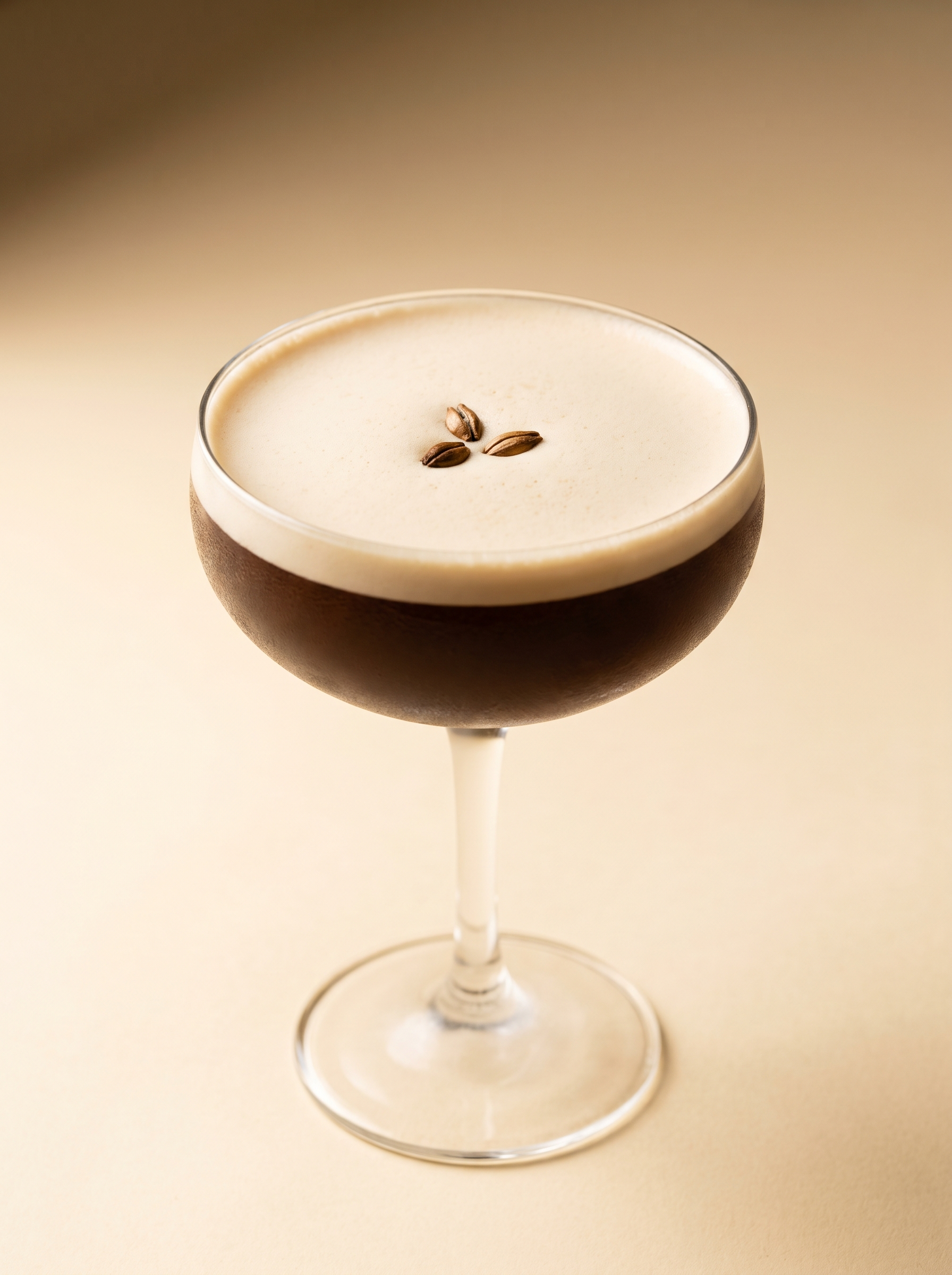
The coffee was a role, not a law.
Vodka · A roast without coffee (barley · cacao husk · tea) · Roasted amaro or liqueur · Syrup








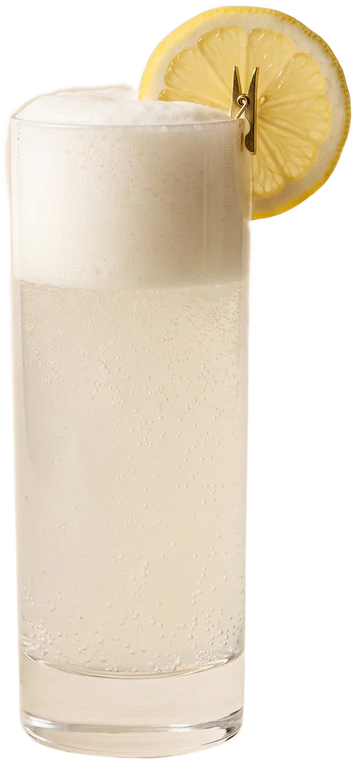
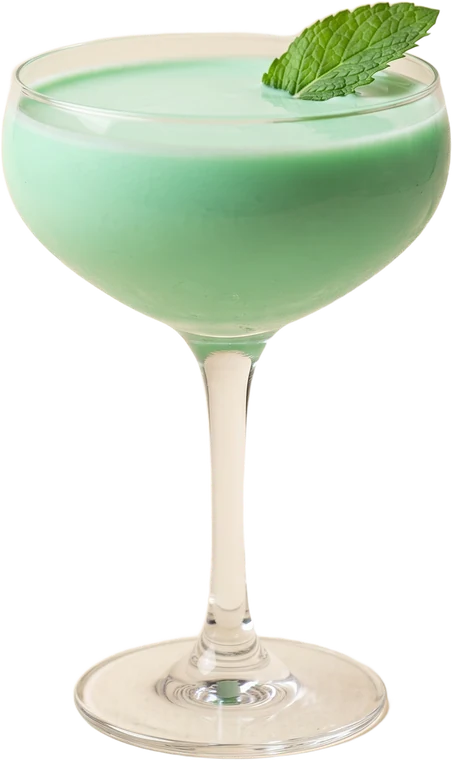
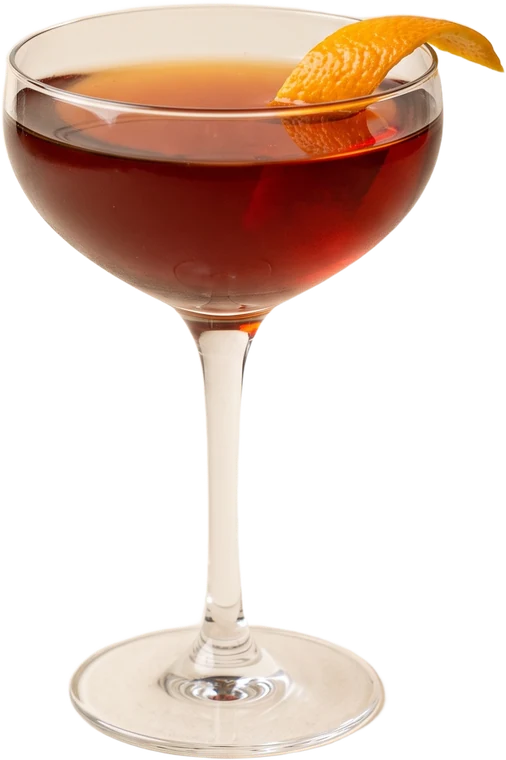
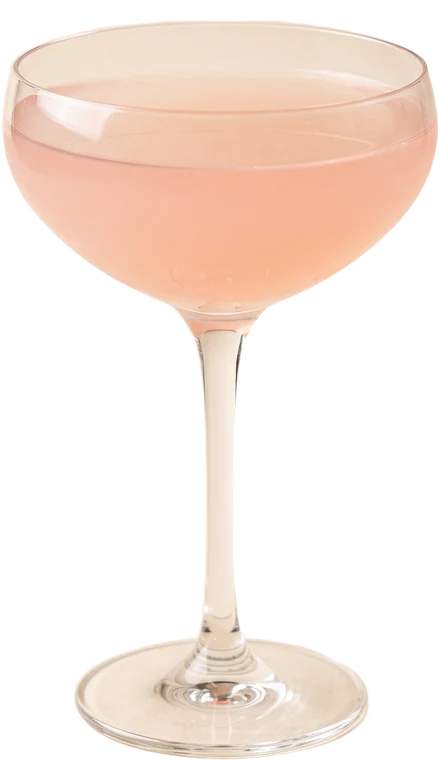

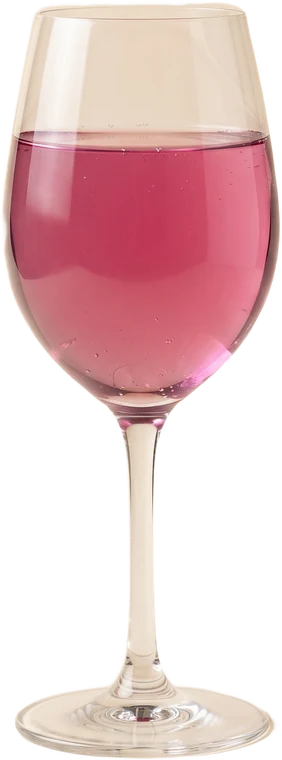
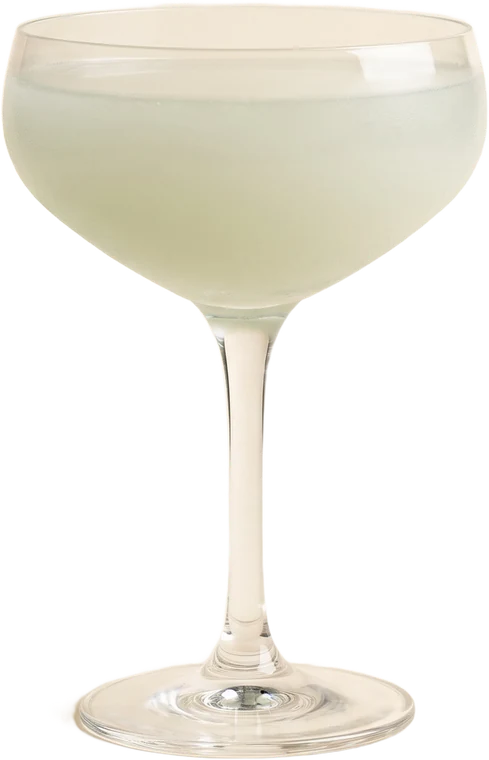
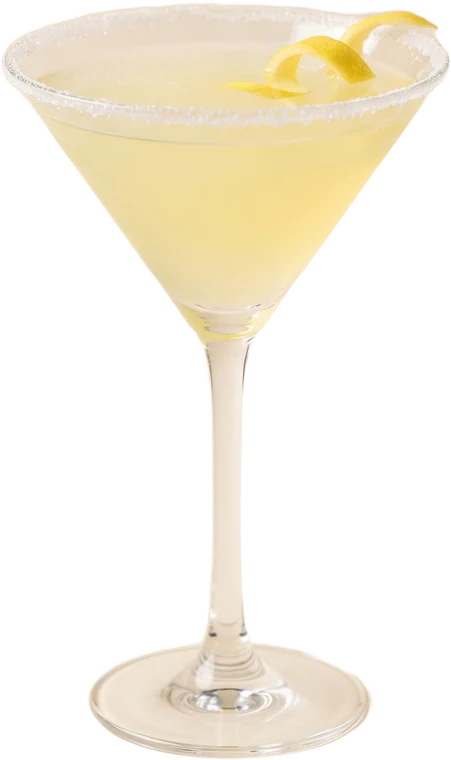

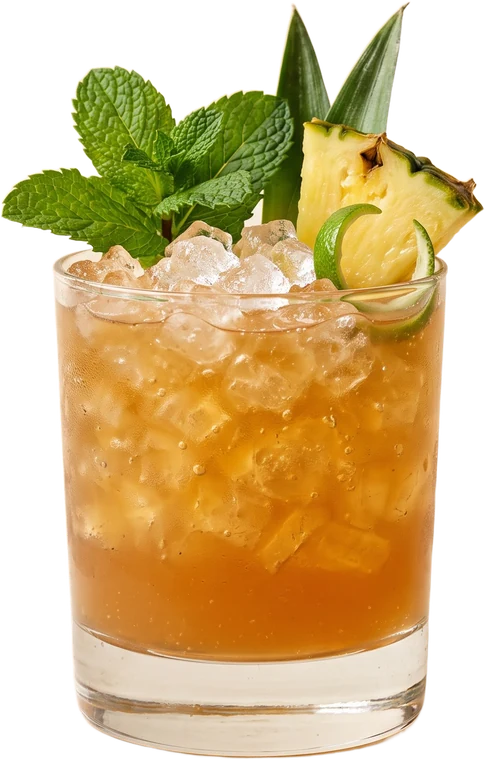





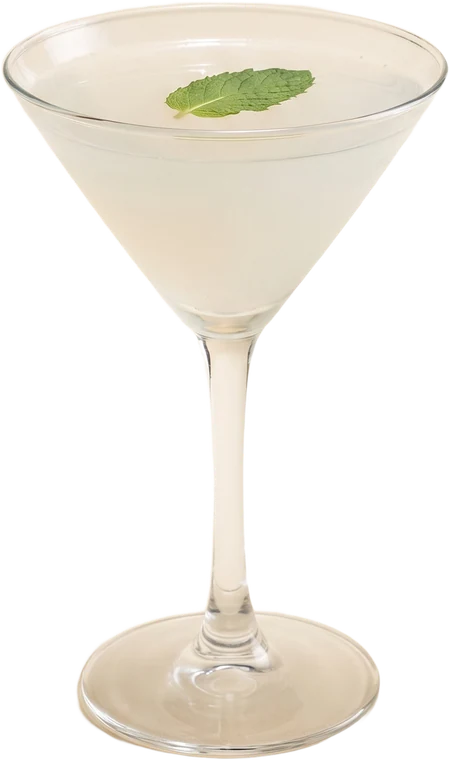

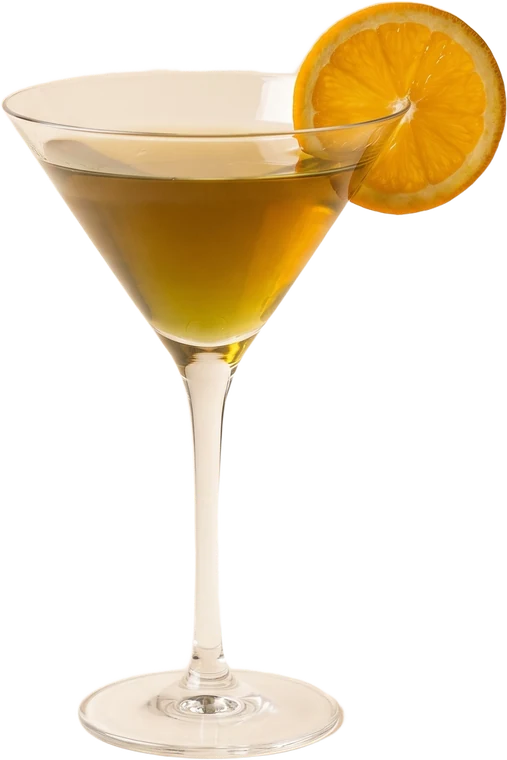
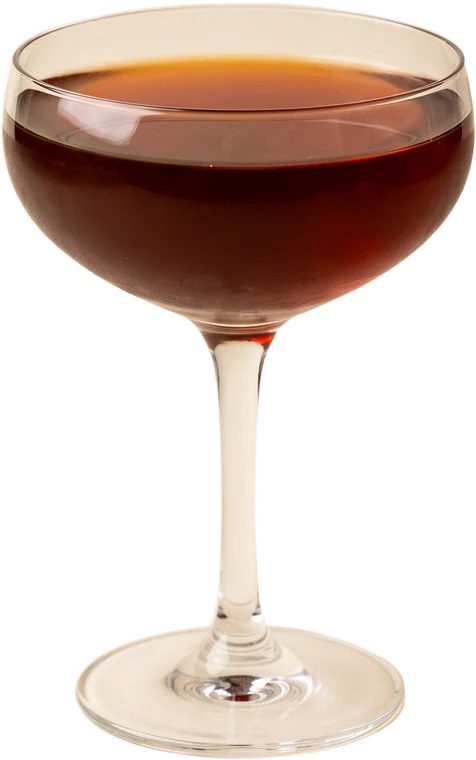
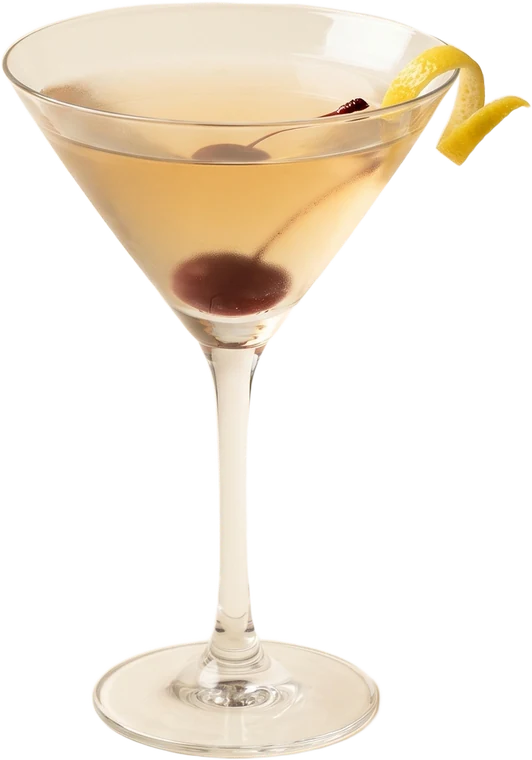
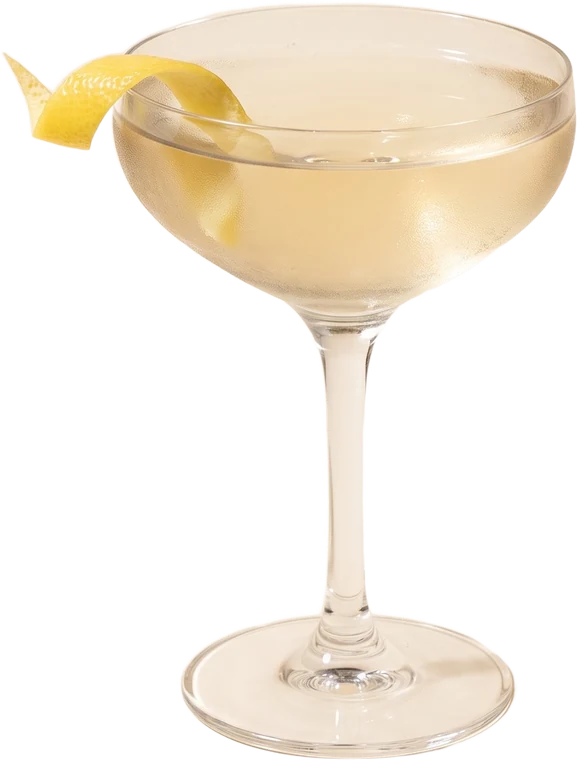
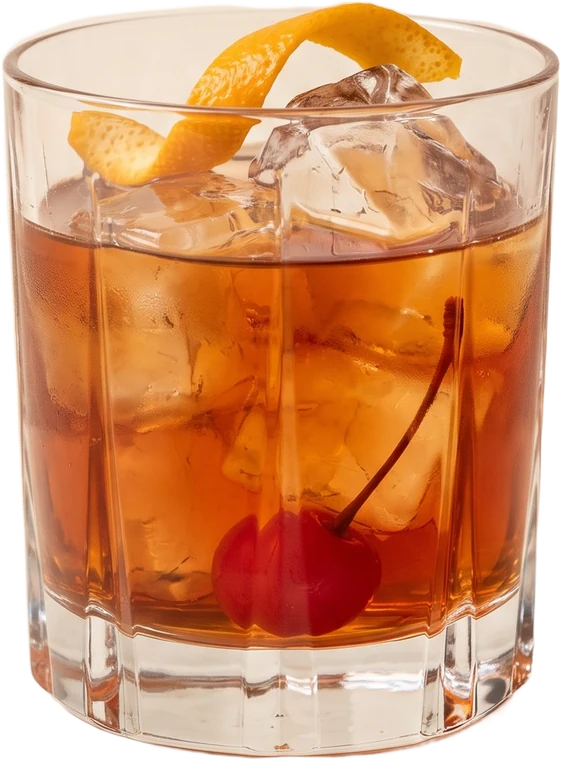
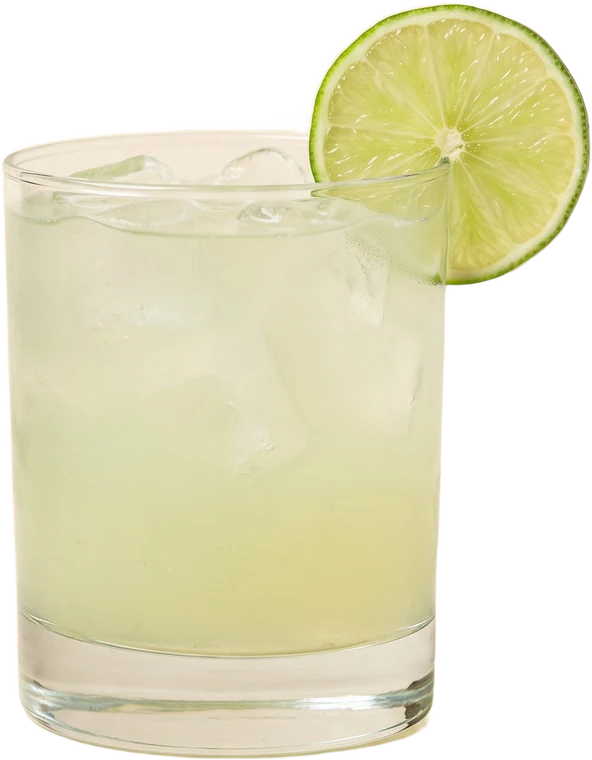
Break a classic · No coffee
The coffee was a role, not a law.
Vodka · A roast without coffee (barley · cacao husk · tea) · Roasted amaro or liqueur · Syrup
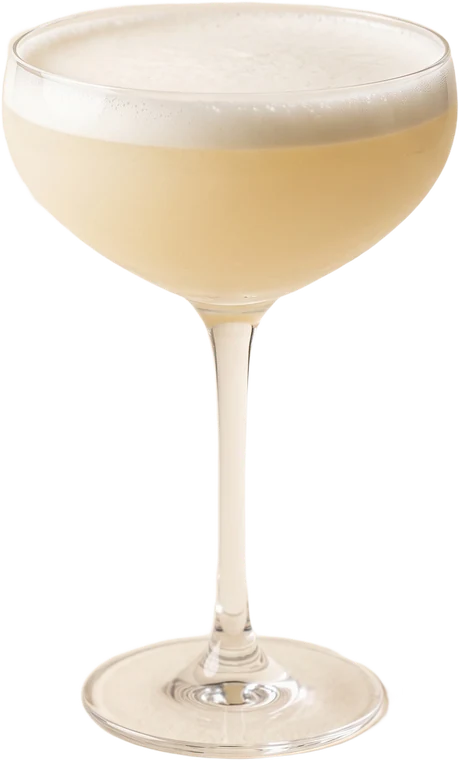
The Espresso Martini is defined by coffee — but what is the coffee doing there? Three things: roasted bitterness, aroma, and the caffeine lift. The rule we break: that only coffee can do that job. Toasted barley, cacao husk or a strong black tea give the roast and the bitterness; the lift, if you want it, comes from a maté or guaraná liqueur.
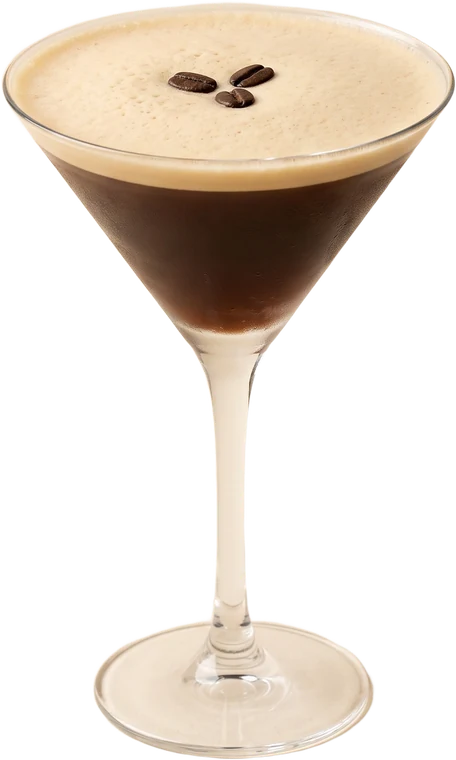
The Break-a-classic lesson: the ingredient that names a classic is usually a role, not an identity. Swap it for another that plays the same role and the cocktail is still itself — same dark silhouette, same foam, same punch.
Method
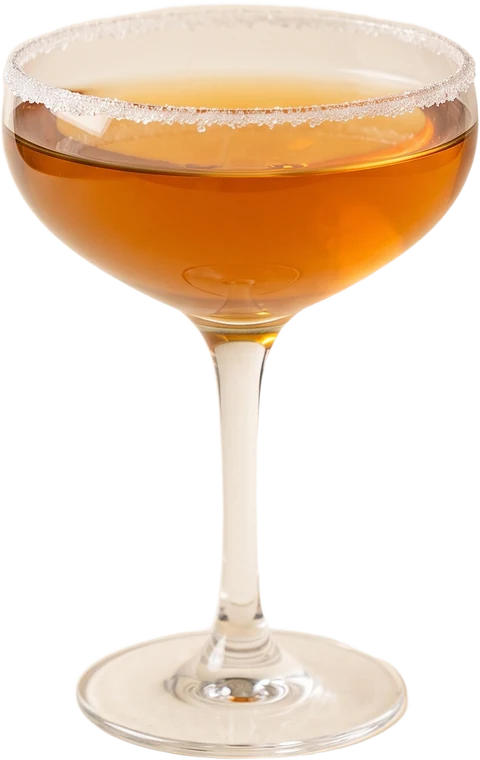
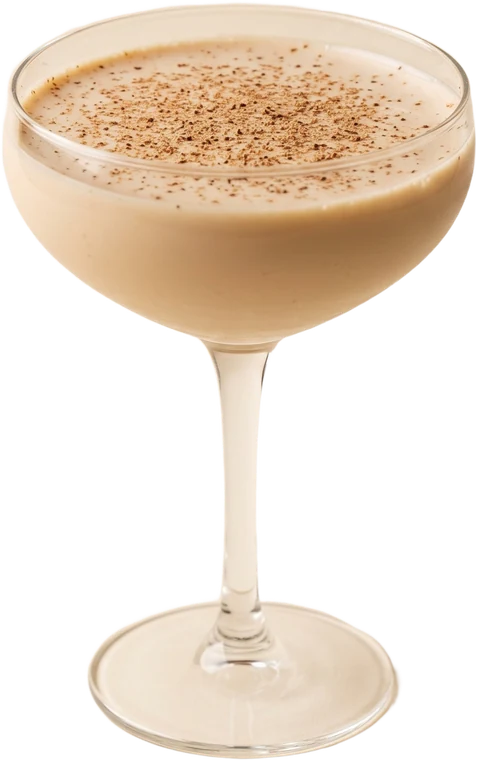
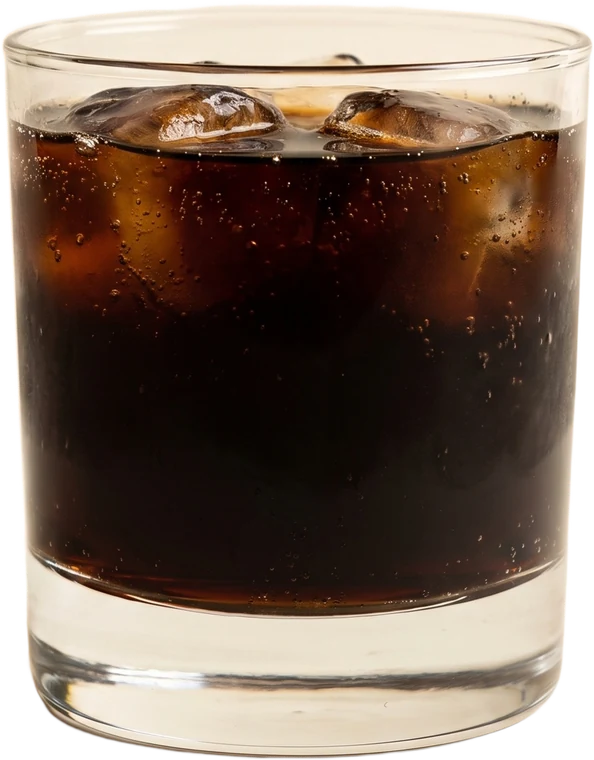
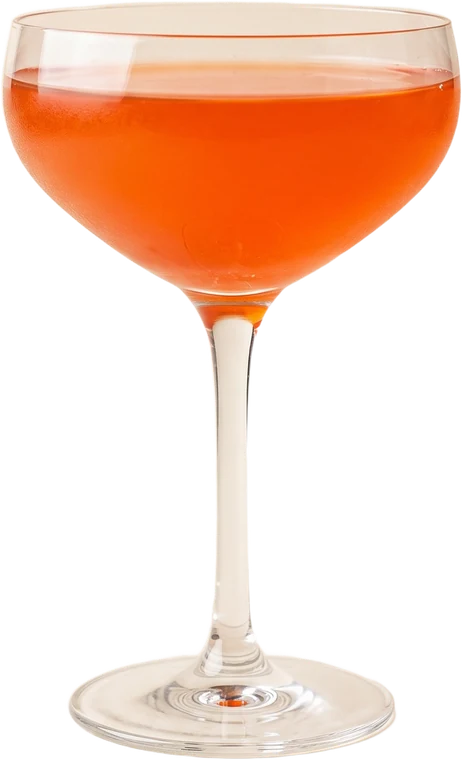
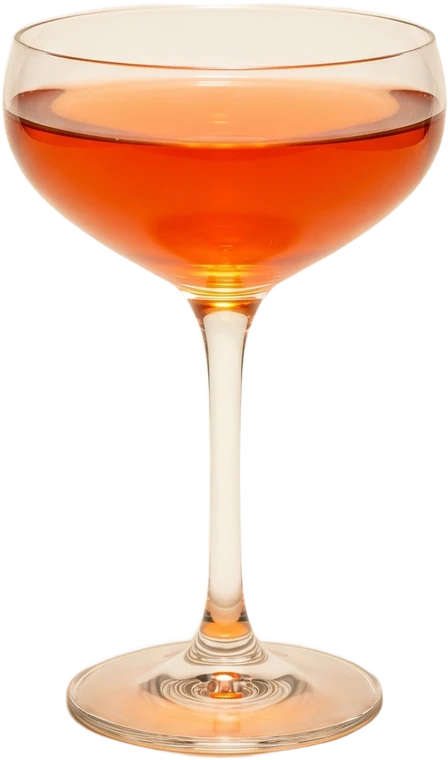
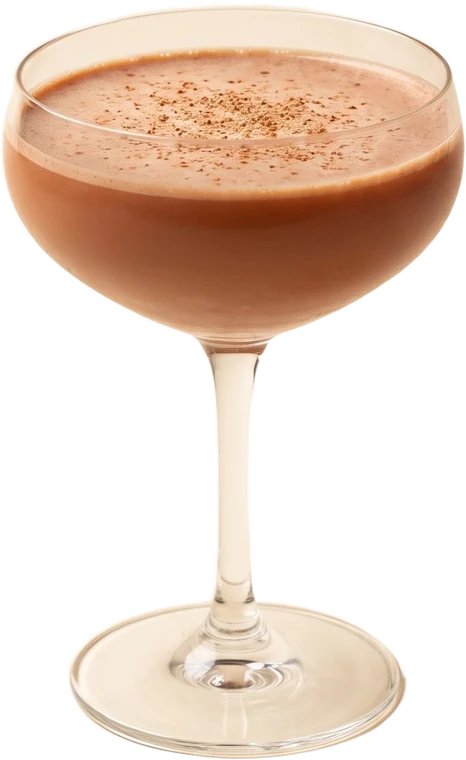
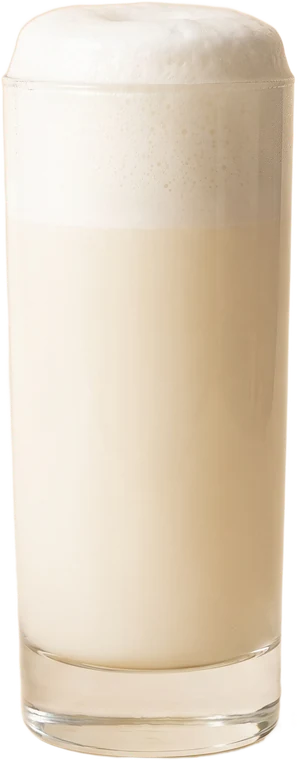
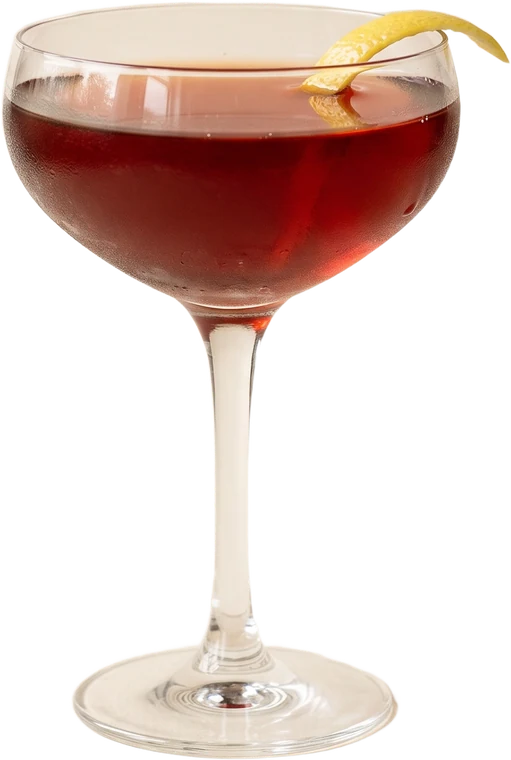
An Espresso Martini built on a roast that isn't coffee —infused toasted barley, cacao husk, or reduced black tea— with vodka, a roasted amaro and syrup. Hard shake for the foam, strained up. Three grains to garnish.
The directions
Other cards from the bar. Locked ones open with your email or the member password.
 Request access →
 Request access →
The most-broken classic in the world. And we keep breaking it.
 Request access →
 Request access →
The emblem of the Andes. Broken fruit by fruit, peak by peak.