Liquid Intelligence
Dave Arnold treats the drink as engineering — temperature, dilution, acidity, fat, gas. Our notes, each technique linked to a tool in the school.
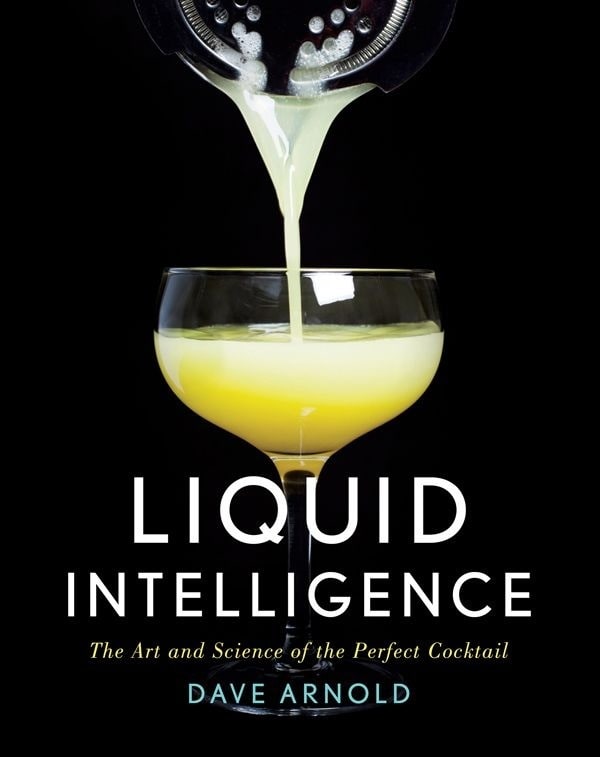
The Art and Science of the Perfect Cocktail · W. W. Norton, 2014
Arnold treats the drink as engineering: temperature, dilution, acidity, fat, gas. The book that turns “it tastes good” into “I know why it tastes good” — and the one that best fits the tools you already have here.
“Fat washing is simple. Anyone can do it.”— Dave Arnold, Liquid Intelligence
Affiliate links (placeholder — swap TU-TAG / TU-ID for the real ones). Buying here supports the school at no extra cost.
Liquid Intelligence is the most technical cocktail book there is, and the one that fits our tools best. Below are our own notes on its core techniques — the idea in our words, the number that matters, and where to practise it in the school.
Our notes
Balance
Before the clever stuff, Arnold measures. Every drink can be written with numbers.
Cocktail Calculus
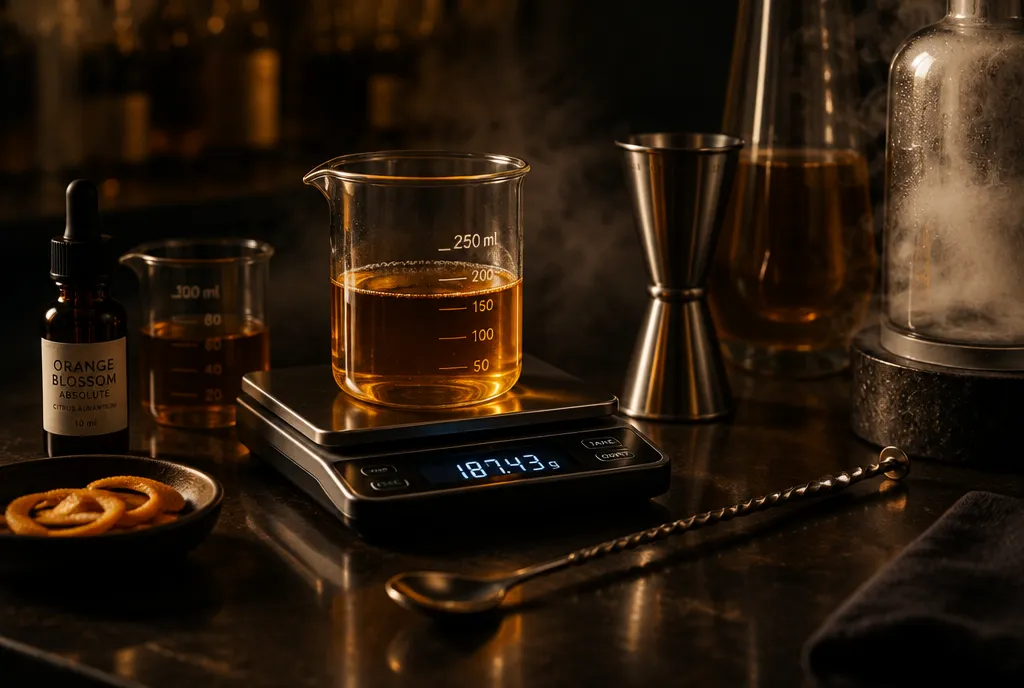
Balance by numbersEvery drink fits four numbers: strength (% ABV), sugar (g/100 ml), acidity (%) and dilution (%). With each style's ranges you can write a balanced recipe almost without tasting as you go. And one law: dilution and cold always travel together.
Stirred ~21–29% ABV · Shaken ~15–20%, sugar ≈ 10× the acid · dilution ~25–50%→ Try it in the cost sheet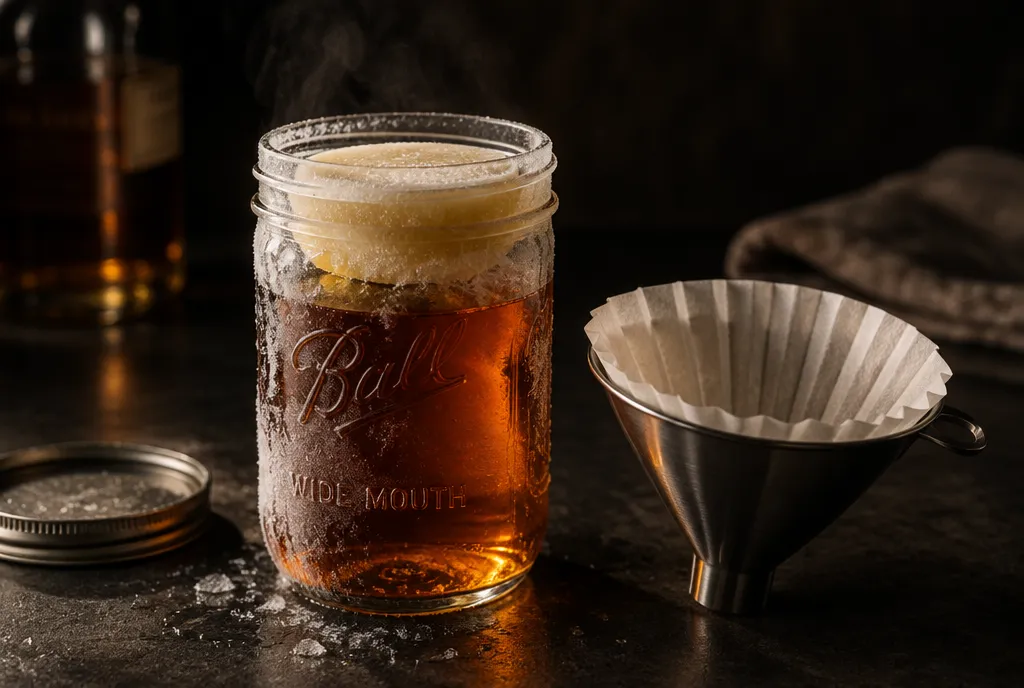
Washing
Putting flavour into the spirit, or stripping its harshness out. Same verb, opposite directions.
Fat washing
Fat → spiritWash flavour into the spirit with a tasty fat, freeze it and strain it out. Arnold goes bolder than our starter recipe; yield decides the method (centrifuge ~85%, filter 60–70%; oil, which won't set, with a separatory funnel).
Arnold: ~120 g strong fat · 240 g butter · PB 120 g — per 750 ml→ Fat-wash calculatorMilk washing
Milk + acidMilk curdles against acid, and the casein drags out tannins and harshness. The golden rule: pour the spirit INTO the milk and add the acid in thirds until it breaks; then don't stir. His example is a tea-infused vodka.
1 part milk : 4 parts cocktail · acid in thirds→ Tea & infusion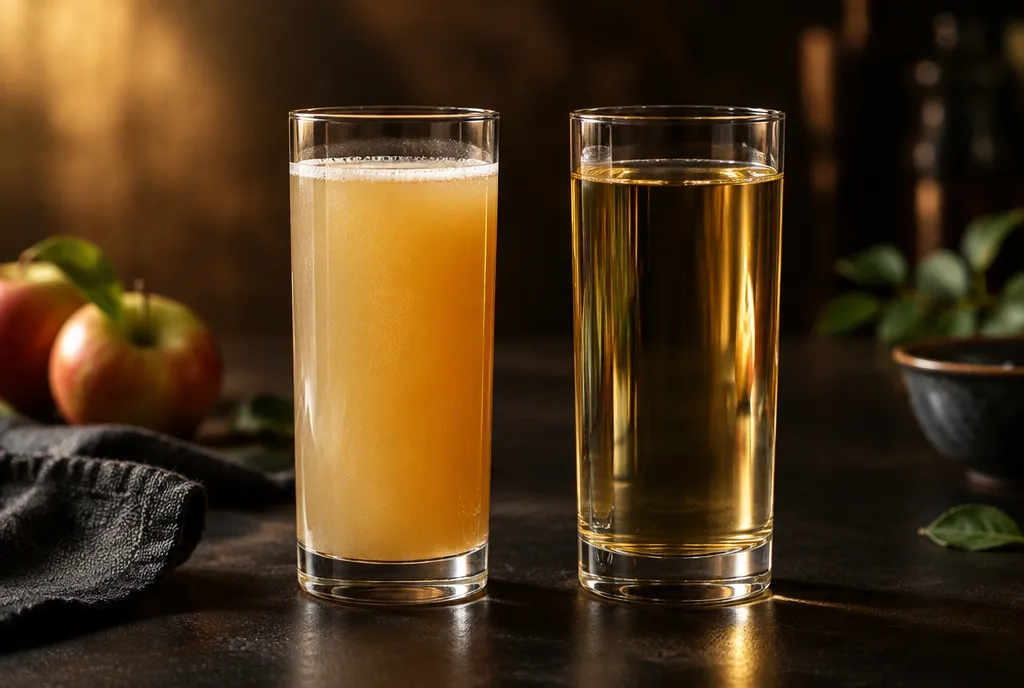
Clarification
Removing the particles that scatter light — for looks, for texture, and so you can carbonate.
Clarification
Clear ≠ colourlessA whisky is dark and clear; cloudiness is suspended particles — less than 1% is enough to cloud a liquid. Three routes: filtering (clogs), gel (agar/gelatin, freeze-thaw) and density/centrifuge. Essential before carbonating.
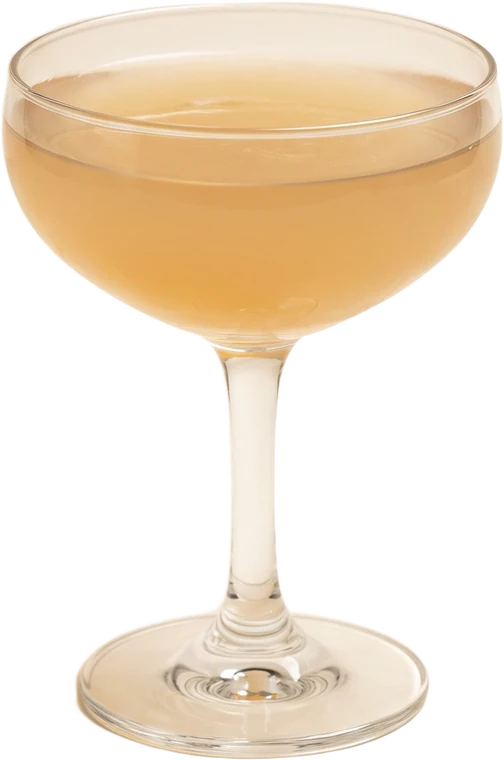
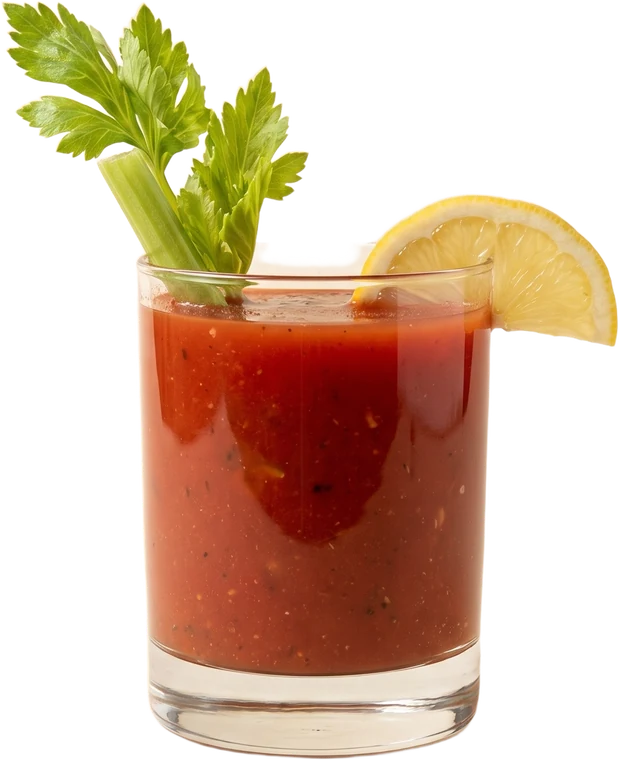
Gel: ~2 g agar per litre to clarify→ Clarified / tomato waterThe Justino
Centrifuge — Arnold's inventionBlend fruit or vegetable with the spirit itself plus an enzyme (Pectinex SP-L) and spin it crystal clear. That's how it was born: rum with pure banana flavour, transparent. Base ratio 1:4 and a lot of G-force.
250 g fruit : 1 L spirit · 10–15 min at 4000×g◷ Needs a centrifuge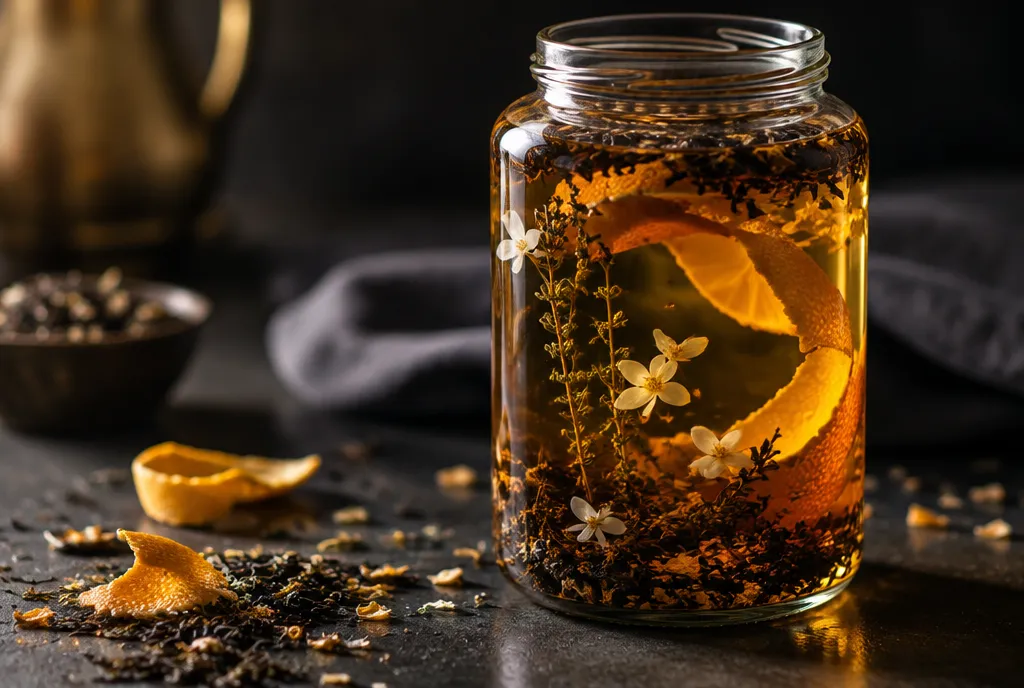
Infusion
From time and patience to gas and extreme cold: three ways to extract without turning bitter.
Rapid infusion
N₂O whipping siphonExpress infusion in a siphon: N₂O pressure pushes gas into the pores of the ingredient; release the pressure fast and the liquid rushes in, carrying the flavour. Minutes instead of hours.
1 N₂O charge · minutes, not hours◷ Needs a siphonNitro-muddling
Frozen herbsMuddle herbs frozen with liquid nitrogen: they shatter like glass instead of bruising, so the polyphenols don't oxidise → a clean green, no bitterness. Then strain out the herb dust.
Freeze → crush → strain: green without the bitter◷ Needs liquid N₂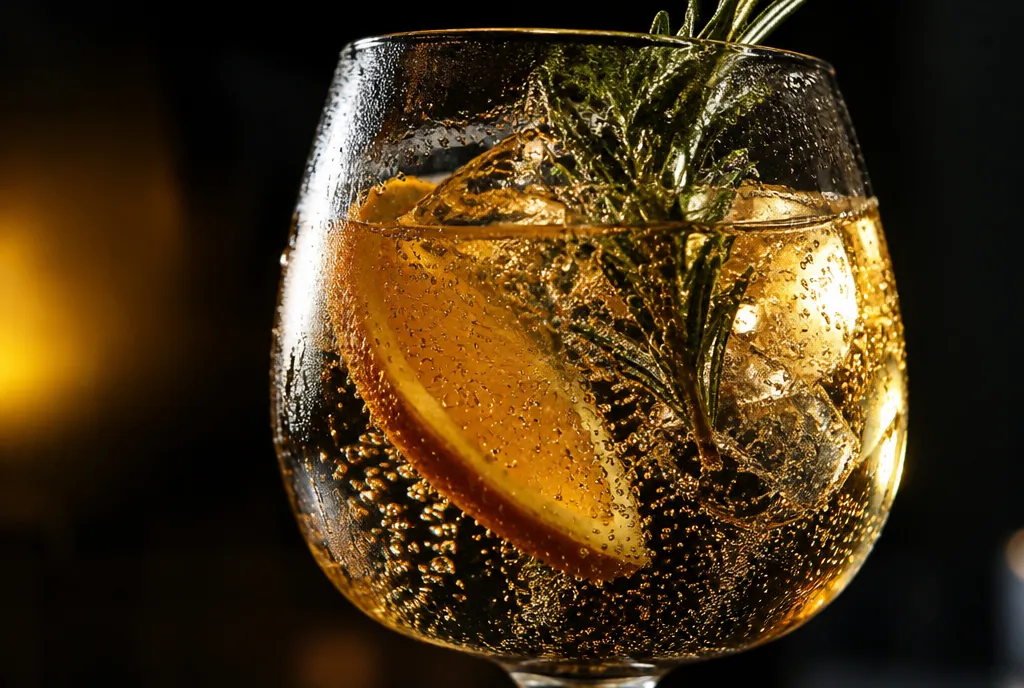
Gas & bubbles
Where Arnold began and where the book ends: gas as an ingredient you measure.
Carbonation
CO₂ is a tasteNot just bubbles: N₂O fizzes but tastes sweet, not «carbonated». It's an ingredient — too much ruins the fruit and sharpens the tannins. Clarify first (particles nucleate bubbles) and remember: colder = more dissolved CO₂.
◷ Next technique to studyThe Gin & Tonic
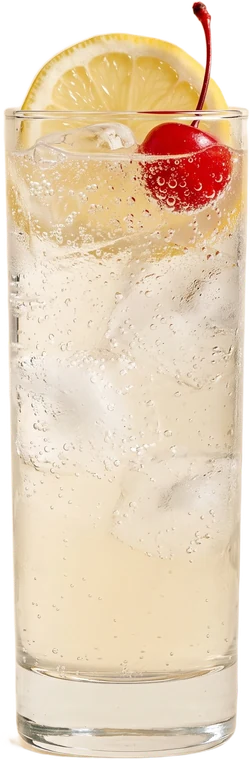
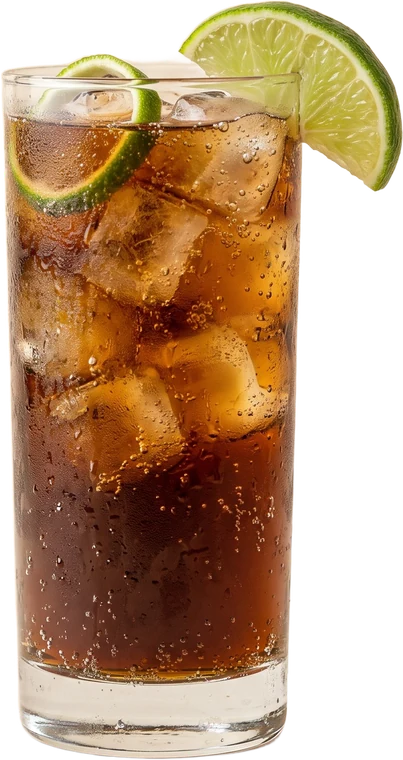
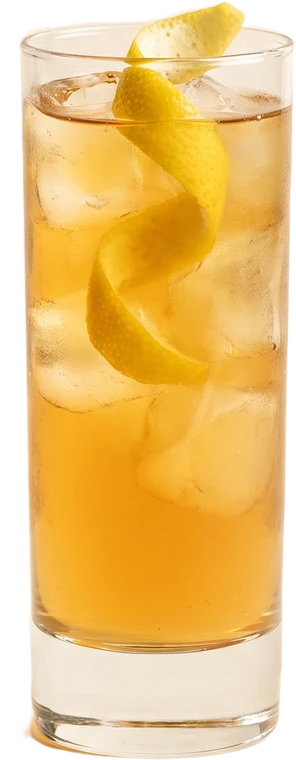
The closing obsessionThe drink Arnold started with and the one that made him invent half the book. The keys: carbonation is an ingredient; clarify the lime; don't jigger the tonic (it loses gas); order matters (gin before tonic, tilt the glass); if you force-carbonate, serve in a flute with no ice.
52.5 ml gin : 97.5 ml tonic (150 ml G&T) · clarified limeHow it connects with the school
These are original Mixology School notes, inspired by Liquid Intelligence. We don't reproduce the book — for the full knowledge and numbers, buy it. It's one of the best you can keep behind the bar.
Arnold's lesson is ours: a drink is a structure you can measure. Understand the numbers and the technique, and you stop following recipes — you design them.