









































































Cocktail Codex
Death & Co argue that every cocktail descends from just six root templates. Learn the six and you can build — or break — almost anything. The clearest map of the method we already teach.
Fundamentals, Formulas, Evolutions · Ten Speed Press, 2018
The Death & Co method, distilled to six root cocktails — Old-Fashioned, Martini, Daiquiri, Sidecar, Highball and Flip. Learn the skeleton of each and every other drink becomes a variation you can reason about. It's the same logic as our Lab, written as a reference.
Affiliate links (placeholder — swap TU-TAG / TU-ID for the real ones). Buying here supports the school at no extra cost.
Cocktail Codex is the Death & Co team's argument that the cocktail canon isn't hundreds of unrelated recipes — it's six families, each growing from a single «root». Below are our own notes on those roots and how each one maps to a template you can already build in the school.
Our notes
The thesis
Not hundreds of recipes — six roots. Everything else is a variation you can reason about.
Six roots, one canon
The whole book in one ideaEvery classic grows from one of six root cocktails. Know the skeleton of each — its spine, its ratio, how it wants to be built — and you stop memorising recipes: you recognise which family a drink belongs to and vary from there. It's exactly how we break a classic.
Old-Fashioned · Martini · Daiquiri · Sidecar · Highball · Flip→ Build by templateThe six roots
Each root is a structure, not a recipe. The formula is the lever you move.
Old-Fashioned
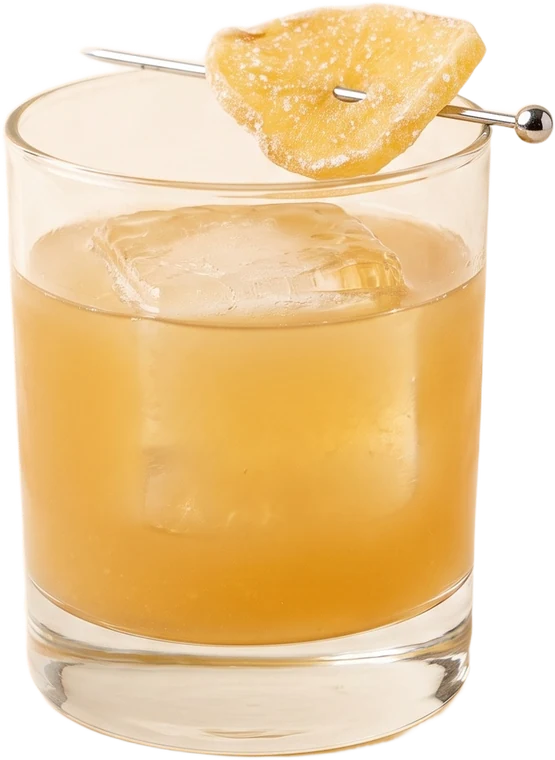
Spirit-forwardThe oldest skeleton: spirit, sugar, bitters, a little water. Nothing hides the base, so it teaches dilution and the spirit itself. Every boozy stirred drink is a cousin.
Spirit + sugar + bitters + water→ The classicMartini
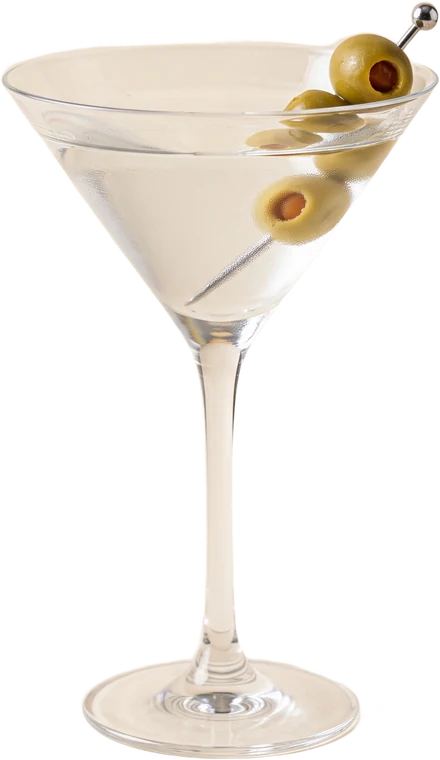
Spirit + wineSpirit lengthened and seasoned with fortified wine, pulled together with bitters. The root of everything built on vermouth or sherry — the aromatic, low-citrus family.
Spirit + fortified wine + bitters→ The classicDaiquiri
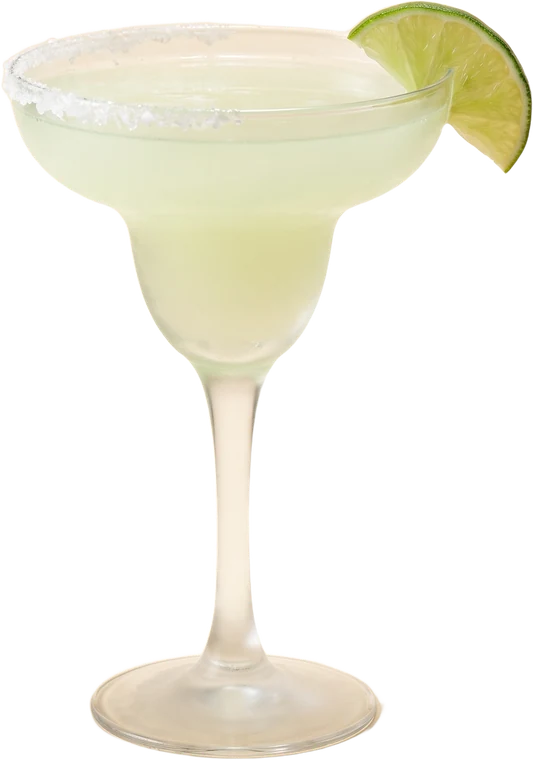
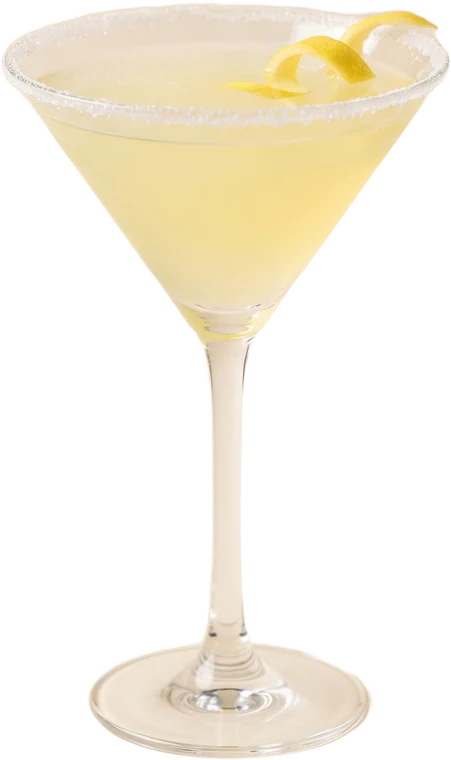
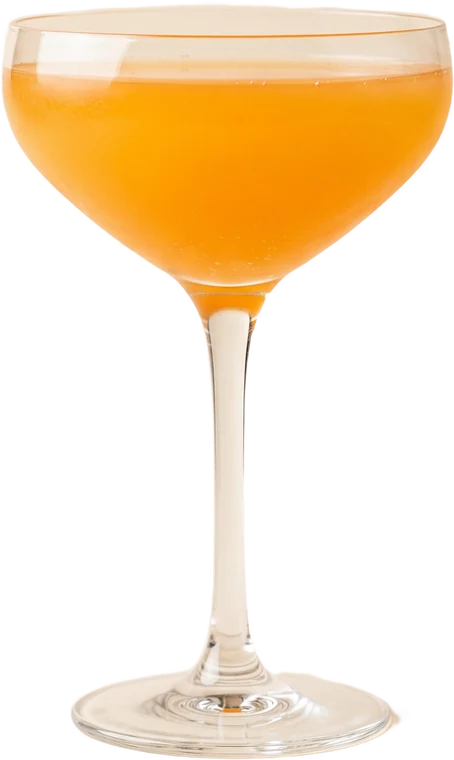
The sourThe purest sour: spirit, citrus, sugar in balance. Learn this ratio and every sour — Margarita, Whisky Sour, Gimlet — is the same idea with a different base and sweetener.
Spirit + citrus + sugar→ The classicSidecar
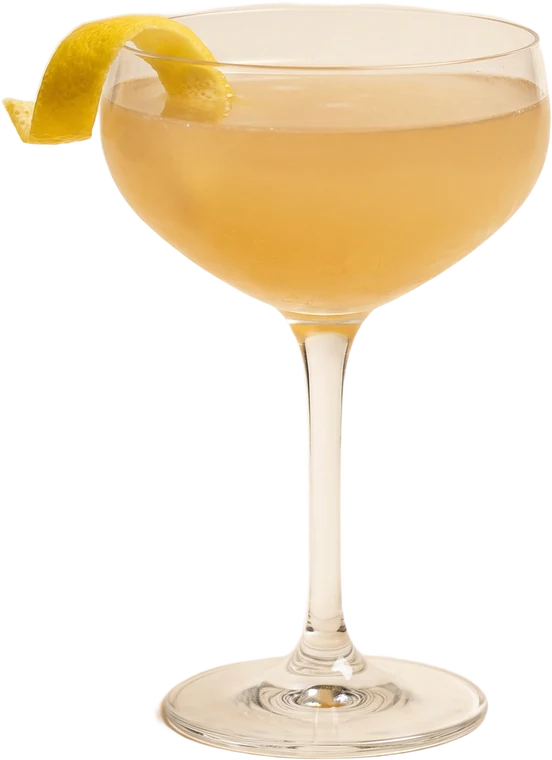
Sour, sweetened by liqueurA sour where the sugar is a liqueur, so the sweetener brings flavour too. The template behind the Margarita, the Cosmo and every «two-spirit» sour.
Spirit + citrus + liqueur→ Pick the liqueurHighball
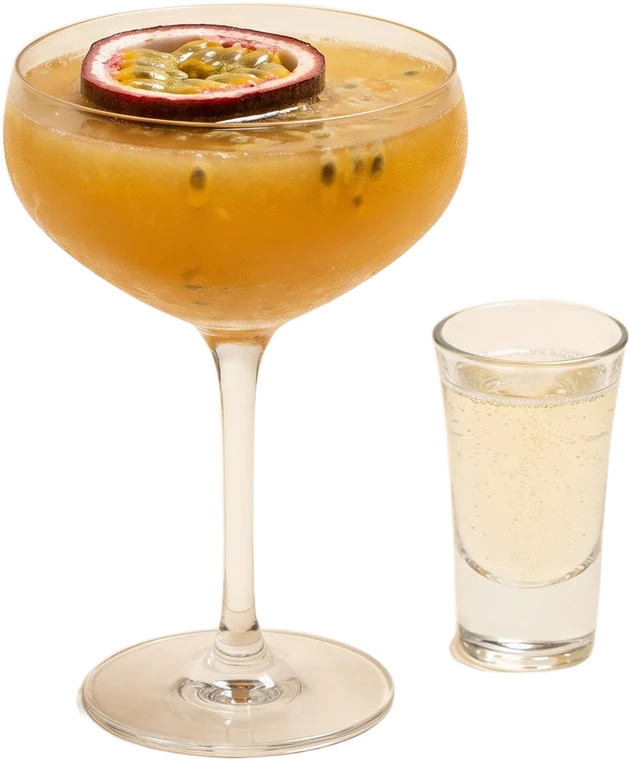
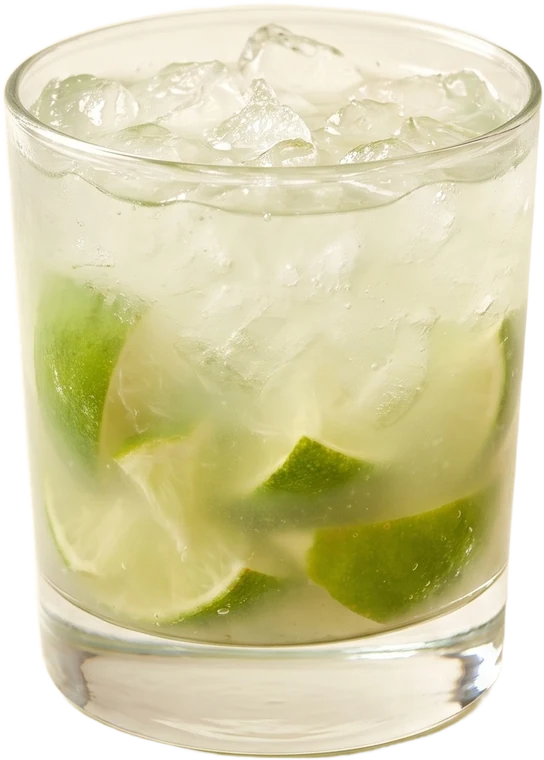
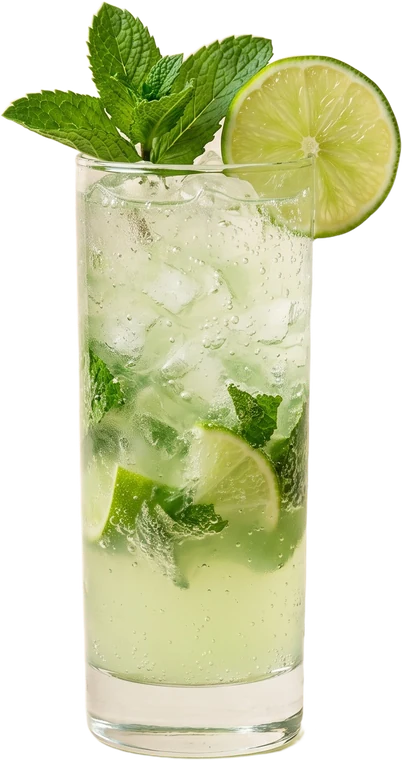
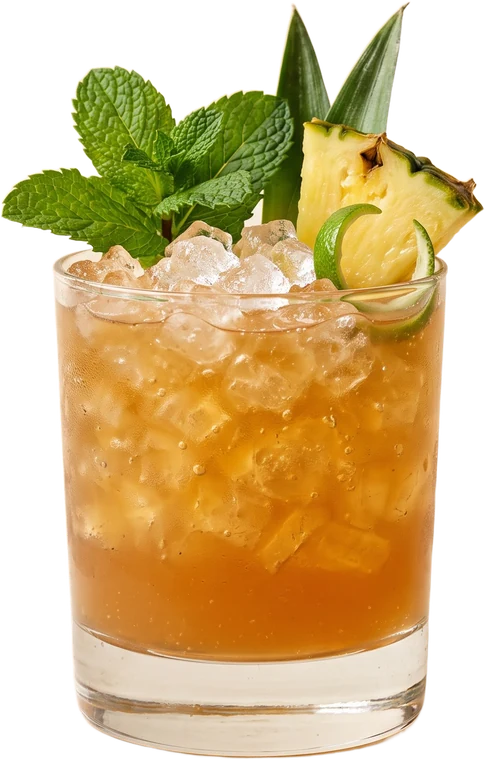
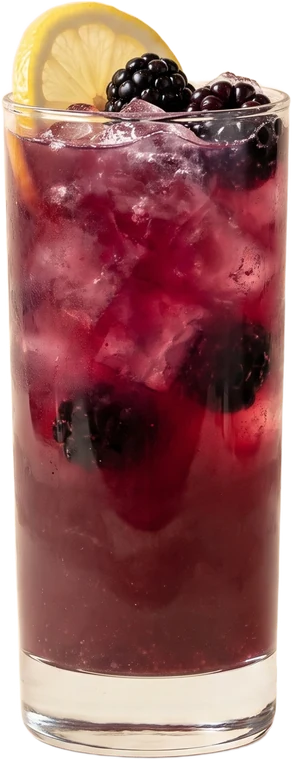
Spirit + bubblesSpirit stretched long with something effervescent. The simplest root and the hardest to do well: dilution, temperature and gas are the whole drink. Gin & tonic, Paloma, Mojito.
Spirit + carbonation (+ citrus)→ CarbonationFlip
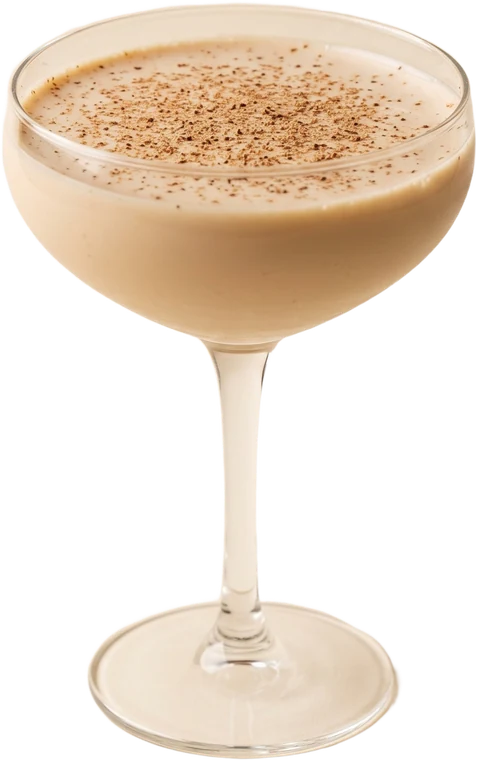
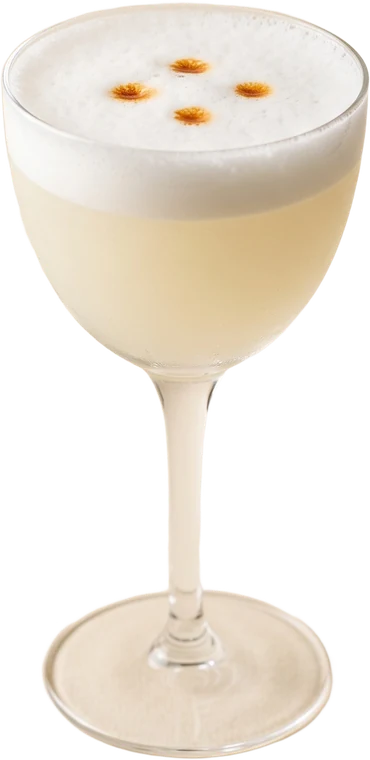
Rich & creamySpirit, sugar and a whole egg or dairy for body and texture. The root of every creamy, dessert-leaning drink — flips, nogs, the richer end of the menu.
Spirit + sugar + egg / dairy→ TexturesHow we use it
The book calls them roots and evolutions. We call them templates and twists — same method.
Root → skeleton
Name the family firstBefore you break a classic, place it: which of the six is it? That tells you its spine and which levers are safe to move. The Margarita is a Sidecar; the Negroni, a Martini cousin. Name the root and the twist writes half of itself.
Place the drink → know its spine → move one lever→ The LabEvolution → twist
Ten directions from one rootAn «evolution» in the book is a direction in our decks: same skeleton, one element changed with intention. That's precisely the ten-twists workflow — hold the declared spine, vary everything undeclared across ten directions.
One root + one intentional change = a direction→ The cocktail creatorHow it connects with the school
Original Mixology School notes, inspired by Cocktail Codex. The six roots, the specs and the evolutions are the authors' work — buy it; it's the clearest map of the method we teach.
You don't need to memorise a thousand cocktails — you need to understand six. Learn the roots and every new drink is a variation you can already reason about.